Pumpkin for dogs: Is this a good idea?
In this article you will learn the following:
- Whether your dog can eat pumpkin
- How best to prepare a pumpkin for your furry friend (raw or cooked)
- A dosage rule of thumb for pumpkins
- What supplements are available (pumpkin seed oil, etc.)
- How to recognize pumpkin poisoning and when you should go to the vet
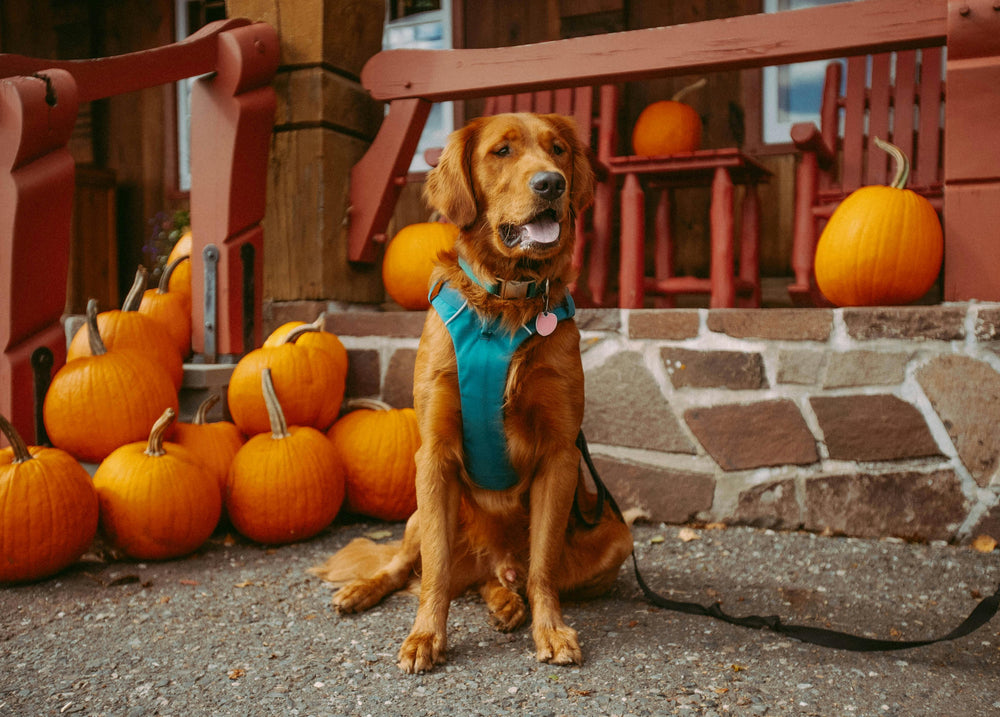
Autumn is pumpkin season - at this time of year, the delicious vegetable not only ends up on our plates, but also as decoration in the home. While we dog owners get our hands on the cooking spoon and prepare delicious pumpkin soups and casseroles, the question often arises as to whether we can give some of the pumpkin to our beloved four-legged friend. The answer is yes, pumpkin can be a healthy and tasty addition to your dog's food bowl - as long as you keep a few things in mind. Here's what you should look out for when feeding pumpkin!
Raw or cooked: How should I prepare pumpkin for my four-legged friend?
In principle, most commercially available pumpkins are safe for dogs. Varieties such as Hokkaido, butternut, bishop's cap, nutmeg or spaghetti squash can be fed to dogs raw, boiled, steamed, baked or pureed. Most dogs love the fruit vegetables in a wide variety of consistencies - simply try out how your darling prefers to eat and tolerate the healthy vegetables.
Pumpkin seeds and seed oils as a dietary supplement:
Pumpkin seeds are rich in zinc and manganese, so they can be an ideal dietary supplement in appropriate quantities. To ensure the best possible absorption of the nutrients, the pumpkin seeds should be mixed freshly ground into the dog food. Pumpkin seed oil, with its healthy fatty acids and vitamin E, is also a promising way to make your furry friend's diet even more nutritious. The oil is extracted from the seeds of the plant and should be cold-pressed and not heated. The taste of pumpkin seed oil only appeals to a few four-legged friends, so only a few drops should be added to dog food, such as FARMER'S CRUNCH from VEGDOG.
The right dosage
Fruit vegetables are a healthy way to supplement your dog's food. However, they should be fed in moderation and not replace your dog's normal food. As a rule of thumb, you can remember:
about 10g of pumpkin seeds per kg of body weight per week.
In small quantities, pumpkin can be a tasty change, especially for dogs with food allergies. Pumpkin rarely triggers allergic reactions in dogs, which is why it can also be part of the main diet for dogs with food intolerances.
Is pumpkin healthy for dogs?
Pumpkins are rich in fiber, which can stimulate your dog's digestion and prevent constipation. The vegetable is also a vitamin bomb and mineral wonder in one. In particular, it contains provitamins A and E as well as the minerals magnesium, potassium, iron and zinc. Pumpkin strengthens your four-legged friend's immune system as well as their bones and teeth. As pumpkin is very filling and low in calories, it is also suitable for feeding to overweight dogs.
Caution: Ornamental pumpkins are poisonous to dogs
In principle, edible pumpkins do not pose any danger to dogs. However, under certain circumstances, pumpkins may contain poisonous cucurbitacins. These bitter substances can be dangerous for both humans and dogs. Commercially available pumpkins for consumption do not usually contain these substances, but they can be found in wild and ornamental pumpkins. Home-grown pumpkins may also contain cucurbitacins and should therefore not be fed to dogs.
Be on the safe side with a taste test
To make sure that the fruit vegetable is safe for your dog, you can try a small piece yourself before feeding it. If it is bitter, you should not eat this pumpkin or give it to your dog. In addition, care should be taken to use pumpkins from the trade.
Symptoms of poisoning in dogs
In humans, the poisonous bitter substances often lead to excessive salivation, vomiting and diarrhea. The same symptoms also occur in our four-legged friends - however, such poisoning can be much more dangerous for them. If your dog has eaten large quantities, it can lead to death in the worst case.
When you should visit a veterinary practice
If your dog shows any of the symptoms mentioned after eating a pumpkin, take him to a vet as soon as possible. For initial medical treatment, you can give him charcoal tablets at home - you should always have these in the pharmacy cupboard for your pet. The activated charcoal prevents the toxins from entering the bloodstream.
Conclusion
All in all, fruit vegetables offer many health benefits and can therefore enrich your dog's diet. However, always make sure to choose the right variety and feed it in an appropriate amount. Pumpkin can add a lot of variety to your furry friend's diet. Whether raw, cooked or pureed, it is always tasty - especially in the form of pumpkin dog cookies. To get your four-legged friend through the autumn season in good health, you should only feed them commercial pumpkins and only use decorative pumpkins for decoration out of reach of your four-legged friend.
Frequently asked questions (FAQ)
Dogs can safely eat pumpkins such as Hokkaido, butternut, nutmeg and spaghetti squash. However, ornamental, wild-grown or home-grown pumpkins should be avoided as they may contain poisonous bitter substances.
Pumpkin can be offered boiled, steamed, baked or pureed. You should remove any seeds and the skin. It is also important to ensure that the pumpkin is not spiced.
Yes, just like us humans, dogs are allowed to eat Hokkaido, whether raw or cooked, even with the skin on.