
My dog doesn't drink enough: what can I do?
It can be worrying if your dog doesn't drink enough. Even though our furry friends need less fluid overall compared to us humans, adequate water intake is crucial for their health. If you notice that your dog is not drinking enough, it is important to identify the causes and take measures to improve their drinking behavior. We'll tell you what the signs of dehydration are and how you can help your four-legged friend drink more.
Ursachen: Warum trinkt mein Hund nicht?
Es gibt viele verschiedene Gründe, warum dein Hund zu wenig trinken könnte. Einige häufige Ursachen sind:
- Futterumstellung: Beim Wechsel von Trockenfutter auf Nassfutter kann sich die sichtbare Flüssigkeitsaufnahme verringern, da Nassfutter bereits viel Wasser enthält.
- Erkrankungen: Krankheiten wie Magen-Darm-Probleme, Infektionen oder Nierenerkrankungen können das Trinkverhalten beeinflussen, ebenso wie bestimmte Medikamente.
- Zahnprobleme: Schmerzen im Mundraum, etwa bei Zahnfleischentzündungen, machen das Trinken häufig unangenehm.
- Nach Impfungen oder Operationen: Nach einer Impfung oder Narkose trinken viele Hunde vorübergehend weniger, das pendelt sich jedoch schnell wieder ein.
- Stress: Veränderungen im Umfeld, wie ein Umzug, neue Familienmitglieder oder eine läufige Hündin in der Nachbarschaft, können dazu führen, dass dein Hund weniger trinkt.
- Probleme mit dem Napf: Vielleicht steht das Wasser an einem ungeeigneten Ort oder ein unsauberer Trinknapf hält deinen Hund vom Trinken ab. Auch die Temperatur des Wassers kann eine Rolle spielen, ebenso wie das Material des Napfes.
Die Ursachen zu kennen, hilft dir, das Trinkverhalten deines Hundes besser zu verstehen und entsprechend zu handeln.
Dein Hund trinkt nicht, frisst aber?
Ein normaler Appetit sagt leider nicht automatisch aus, dass dein Hund ausreichend Flüssigkeit aufnimmt. Manche Hunde trinken nicht direkt nach dem Fressen, sondern erst später am Tag. Andere trinken nur kleine Mengen auf einmal, dafür häufiger. Schau deshalb nicht nur auf den Moment nach der Mahlzeit, sondern auf das gesamte Trinkverhalten über den Tag. Auffällig wird es, wenn dein Hund Wasser konsequent meidet, auch nach Bewegung nicht trinken möchte oder sein Verhalten plötzlich anders wirkt als sonst. Dann solltest du genauer hinschauen und im Zweifel tierärztlichen Rat einholen.
Dein Hund trinkt wenig, aber pinkelt viel?
Das klingt erst mal widersprüchlich, kommt aber vor. Achte darauf, wie er pinkelt: Sind es oft sehr kleine Mengen, kann eine Reizung der Harnwege dahinterstecken. Sind es große Pfützen, trinkt er vielleicht unbemerkt mehr (z. B. durch Nassfutter) oder bekommt Medikamente, die die Urinmenge erhöhen. Miss die Wasseraufnahme am besten 24 Stunden lang mit einem Messbecher und rechne das Wasser im Futter mit ein. Beobachte außerdem, ob er Schmerzen hat, unruhig ist oder Blut im Urin enthalten ist. Bleibt das auffällig oder kommen solche Warnzeichen dazu, lass das bitte tierärztlich abklären.
Symptome einer Dehydration erkennen
Eine Dehydration kann für deinen Hund gefährlich werden, daher ist es wichtig, frühzeitig die Symptome zu erkennen. Ein erstes Anzeichen für Wassermangel sind trockene Schleimhäute – sie sollten normalerweise feucht und leicht glänzend sein. Ein einfacher Test ist, mit dem Finger für ein bis zwei Sekunden auf das Zahnfleisch deines Vierbeiners zu drücken: Wenn sich die helle Stelle nicht innerhalb von zwei Sekunden wieder rosa färbt, könnte ein Flüssigkeitsmangel vorliegen.
Auch der Hautfaltentest gibt Aufschluss. Hier zieht man die Haut über den Schulterblättern hoch. Braucht sie ungewöhnlich lange, um sich zurückzuziehen, ist das ein klares Warnsignal. Bitte beachte, dass dieser Test bei sehr jungen, alten und übergewichtigen Hunden nicht so zuverlässig ist.
Ebenso kann konzentrierter Urin darauf hindeuten, dass dein Hund zu wenig getrunken hat. Neben diesen körperlichen Anzeichen wirkt ein dehydrierter Hund oft apathisch und schlapp. Bleibt der Wassermangel unbehandelt, kann dies im schlimmsten Fall zu ernsthaften Organschäden führen.
Wann sollte ich zum Tierarzt oder zur Tierärztin?
Wenn dein Hund an einem ruhigen Tag etwas weniger trinkt, ist das nicht sofort ein Grund zur Sorge. Beobachte ihn aber genau. Tierärztlicher Rat ist wichtig, wenn dein Hund plötzlich deutlich weniger trinkt als sonst oder weitere Auffälligkeiten zeigt.
Achte besonders auf diese Warnsignale:
- dein Hund wirkt schlapp, apathisch oder ungewöhnlich unruhig
- die Schleimhäute sind trocken oder klebrig
- dein Hund erbricht oder hat Durchfall
- er hechelt stark oder wirkt überhitzt
- du vermutest Fieber
- er pinkelt sehr häufig, nur kleine Mengen oder mit Schmerzen
- du siehst Blut im Urin
- die Augen wirken eingefallen
- der Hautfaltentest ist auffällig verzögert
Biete deinem Hund in solchen Situationen kleine Mengen Wasser an. Lass die Ursache außerdem zeitnah tierärztlich abklären. Wenn du unsicher bist, gilt: Lieber einmal zu früh nachfragen als zu spät. So bekommt dein Hund schnell die Unterstützung, die er braucht.
Mögliche Folgen, wenn der Hund zu wenig trinkt
Ein Flüssigkeitsmangel kann ernsthafte gesundheitliche Folgen für deinen Vierbeiner haben. Wenn dein Hund zu wenig trinkt, belastet das die Nieren und kann langfristig Nierenprobleme begünstigen – insbesondere bei älteren Hunden. Auch der Kreislauf deiner Fellnase kann unter dem Wassermangel leiden: Wasser ist essenziell für die Regulierung der Körpertemperatur. Zu wenig Flüssigkeit kann zu Kreislaufproblemen und in extremen Fällen zu einem Hitzschlag führen. Zudem steigt das Risiko für Harnsteine, Blasenentzündungen und Verstopfung, da der Körper Abfallstoffe schlechter ausscheiden kann.
Wie viel sollten Hunde am Tag trinken?
Die Menge an Wasser, die ein Hund täglich benötigt, hängt von verschiedenen Faktoren ab, darunter Größe, Aktivitätsniveau, Ernährung und Gesundheitszustand. Generell sollte ein Hund täglich etwa 50 bis 70 Milliliter Wasser pro Kilogramm Körpergewicht trinken. Ein 10 kg schwerer Hund sollte also ungefähr 500 bis 700 Milliliter Wasser pro Tag zu sich nehmen. Wichtig: Zur Gesamtmenge zählt auch das Wasser im Futter. Nassfutter enthält in der Regel etwa 70 bis 80 % Wasser.
Welpen haben einen höheren Wasserbedarf als erwachsene Hunde, da sie für ihr Wachstum mehr Energie und Nährstoffe benötigen. Auch ältere Hunde trinken oft mehr, wenn ihre Nierenfunktion nachlässt.
Benötigt mein Vierbeiner bei Hitze mehr Flüssigkeit?
Hunde können ihre Körpertemperatur nicht so effizient regulieren wie wir Menschen und daher bei hohen Temperaturen schneller dehydrieren. Wenn dein Hund bei Hitze wenig trinkt, solltest du auf die Anzeichen der Dehydration achten und frühzeitig Maßnahmen ergreifen.
Während der Sommermonate und bei intensiver körperlicher Betätigung sollte dein Vierbeiner regelmäßig Zugang zu frischem Wasser haben. Auch in der Wohnung solltest du darauf achten, dass dein Hund nicht überhitzt und stets eine ausreichende Menge Wasser zur Verfügung hat.
Tipps und Tricks, damit dein Hund mehr trinkt
Wenn dein Hund zu wenig trinkt, kannst du ihn mit unseren Tipps und Tricks dazu animieren, mehr Flüssigkeit aufzunehmen:
- Wasser ins Futter mischen: Besonders bei Trockenfutter kannst du durch Einweichen die Wasseraufnahme erhöhen. Aber auch Nassfutter lässt sich mit zusätzlicher Flüssigkeit anreichern.
- Wasser geschmackvoller machen: Kochwasser von ungewürztem Gemüse oder ein paar Obststücke können das Wasser attraktiver machen.
- Mehrere Wassernäpfe aufstellen: Verteile Näpfe an verschiedenen Orten, damit dein Hund immer leichten Zugang zu Wasser hat.
- Den richtigen Napf wählen: Manche Hunde bevorzugen Edelstahl- oder Keramiknäpfe – probiere verschiedene Materialien aus.
- Trinkbrunnen nutzen: Fließendes Wasser kann Hunde neugierig machen und zum Trinken motivieren.
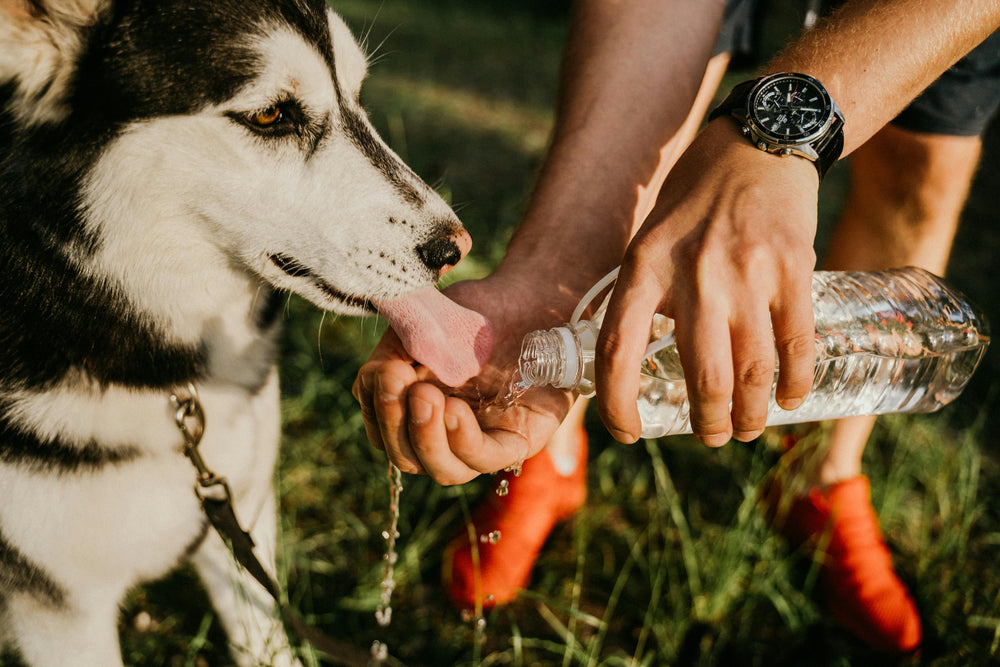
- Unterwegs immer Wasser dabeihaben: Gerade bei Bewegung oder Hitze ist es wichtig, regelmäßig Wasser anzubieten.
- Futterumstellung in Betracht ziehen: Nassfutter enthält mehr Feuchtigkeit als Trockenfutter und kann helfen, den Flüssigkeitshaushalt zu verbessern.
- Hundeeis & Smoothies: Im Sommer kannst du deinem Vierbeiner selbst gemachtes Hundeeis oder Smoothies anbieten. Das sorgt nicht nur für Erfrischung, sondern liefert auch zusätzliche Flüssigkeit.
Falls dein Hund trotz dieser Tipps weiterhin zu wenig trinkt, solltest du das Verhalten beobachten und gegebenenfalls tierärztlich abklären lassen.