


 Valerie H.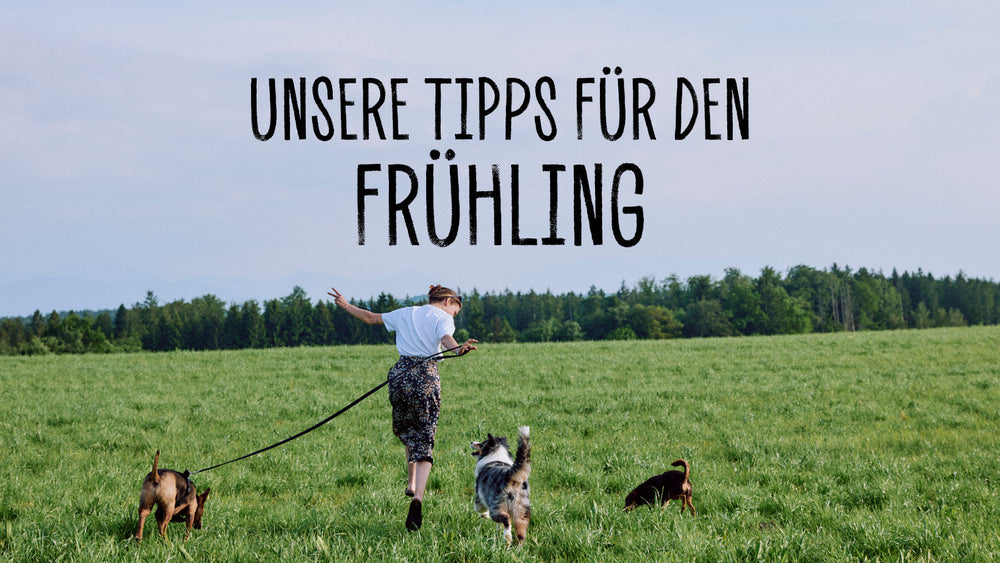
10 VEGDOG SPRING TIPS
It's that time again! Spring is here and has chased away the last nasty temperatures. The shivering walks in the cold are finally turning into extensive tours in the blossoming countryside again.
Es ist wieder soweit! Der Frühling ist da und hat die letzten fiesen Temperaturen verscheucht. Aus den bibbernden Spaziergängen in der Kälte werden endlich wieder ausgiebige Touren in der blühenden Natur. Die Temperaturen sind weder zu kalt noch zu warm – für Zwei- und Vierbeiner einfach perfekt! Deswegen sind wir uns bei VEGDOG einig: Der Frühling hat seinen ganz besonderen Reiz.
Um diese Jahreszeit auch voll und ganz genießen zu können, möchten wir heute mit dir die 10 VEGDOG Frühlingstipps teilen. Denn leider verbergen sich hinter dem Frühling auch potentielle Gefahren für unsere Vierbeiner. Die gute Nachricht: mit unseren Tipps und eurem entsprechenden Verhalten steht einer aktiven, gesunden und schönen Frühlingszeit nichts mehr im Wege!
TIPP 1: ZECKEN VORBEUGUNG
Auch der Frühling ist leider schon Zeckenzeit. Besonders dann, wenn du einen langhaarigen oder dunklen Hund hast, suche ihn gründlich nach Zecken ab und entferne sie sofort. Zusätzlich kann dem Hund ein Präparat gegen Zecken verabreicht werden. Diese kaufst du am besten in deiner Tierarztpraxis, da viele Produkte aus dem Internet nicht ausreichend auf ihre Sicherheit und Wirksamkeit geprüft sind! Es ist wichtig, die Übertragung von Krankheiten (z.B. Borreliose, Barbesiose oder Anaplasmose) bei einem Zeckenbiss auf den Hund zu verhindern. Alternative Zeckenvorbeugung wie beispielsweise Bernsteinketten, Kokosöl im Futter oder Keramikhalsbänder konnten in Studien leider nicht überzeugen und bieten daher keinen zuverlässigen Schutz.

TIPP 2: POLLENALLERGIE
Auch dein Vierbeiner kann zu den typischen Frühjahrsallergien, wie z.B. der Pollenallergie, tendieren. Oft bekommen HalterInnen die Symptome einer Allergie gar nicht so richtig mit, da diese sich natürlich von Hund zu Hund unterscheiden. Sie äußert sich vor allem durch Hautprobleme (z.B. Atopische Dermatitis) und eher seltener durch Probleme mit den Augen oder der Nase. Wie für uns Zweibeiner gibt es auch für unsere Vierbeiner Medikamente, welche bei einer Pollenallergie den Frühling wieder erstrahlen lassen und ein beschwerdefreies Herumtoben möglich machen. Sicher feststellen lassen sich solche Umweltallergien nur per Ausschlussverfahren, bestenfalls bei einem Spezialisten für Dermatologie. Blut-, Haar- oder Speicheltests eignen sich zur Diagnose leider nicht.
TIPP 3: SONNENSCHUTZ FÜR VIERBEINER
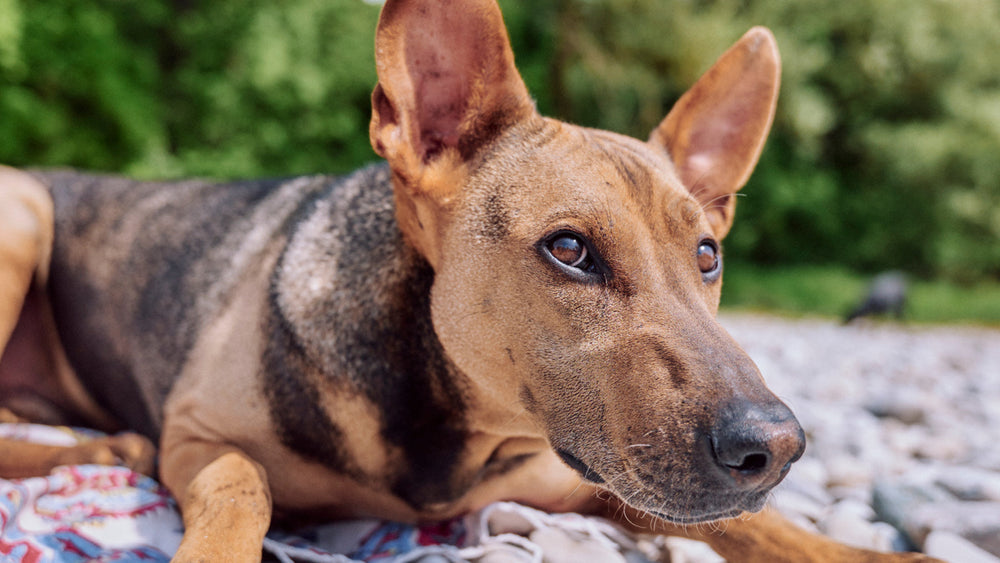
Auch Hunde können einen Sonnenbrand bekommen. Vorsicht also bei hautempfindlichen und hellhäutigen Tieren. Hier ist das Eincremen mit Sonnencreme auf Nasenspitze und Ohren nötig, um den Hund vor Sonnenbrand zu schützen. Eine verbrannte Nasenspitze sollte unbedingt verhindert werden, damit einem schmerzfreien Schnüffeln nichts im Wege steht. Außerdem kann UV-Strahlung auch bei unseren Vierbeinern die Entstehung von Hautkrebs fördern. Es können Cremes speziell für Hunde oder auch Menschen (ohne Duftstoffe) ab LSF 15 oder mehr verwendet werden. Beim Eincremen gilt dasselbe, wie für uns Menschen: mind. 30 Minuten vor der Sonneneinstrahlung auftragen, regelmäßig wiederholen und so viel wie nötig aber nicht zu viel, was dann wieder abgeschleckt werden kann.
TIPP 4: INSEKTENSTICHE
Ein ausgiebiger Frühlingsspaziergang kann bei einem Insektenstich schnell ein unschönes Ende nehmen. Denn dein Hund kann auf derartige Stiche genau so empfindlich oder sogar allergisch reagieren wie wir. Sofern dein Vierbeiner noch nie von einer Biene, Wespe oder einem anderen Insekt gestochen wurde, kannst du natürlich nicht wissen, ob dein Hund auf solche Stiche allergisch ist. Für kleinere Stiche bzw. Reizungen hilft kühlen, oder das auftragen antiallergischer Cremen (zB Fenistil). Bei Insektenstichen im Kopf- und Rachenbereich kann es bei Hunden aufgrund von Schwellungen zu Atemnot kommen. Wenn dies der Fall ist, solltest du umgehend deine Tierarztpraxis aufsuchen!
TIPP 5: ZEITMANAGMENT SPAZIERGÄNGE
An besonders heißen Tagen solltest du mit deinem Vierbeiner nach Möglichkeit am frühen Morgen oder späten Abend spazieren gehen. Dann sind nämlich die Temperaturen für deinen Hund erträglicher. Besonders ältere und kranke Hunde haben mit hohen Temperaturen noch mehr als gesunde Hunde zu kämpfen. Achte bei Spaziergängen in der Mittagszeit darauf, dass du Strecken mit Schattenflächen und so wenig Asphalt wie möglich für dein Tour wählst. Wälder und Parks bieten eine gute Abwechslung zwischen Sonne und Schatten.
TIPP 6: ABKÜHLUNG
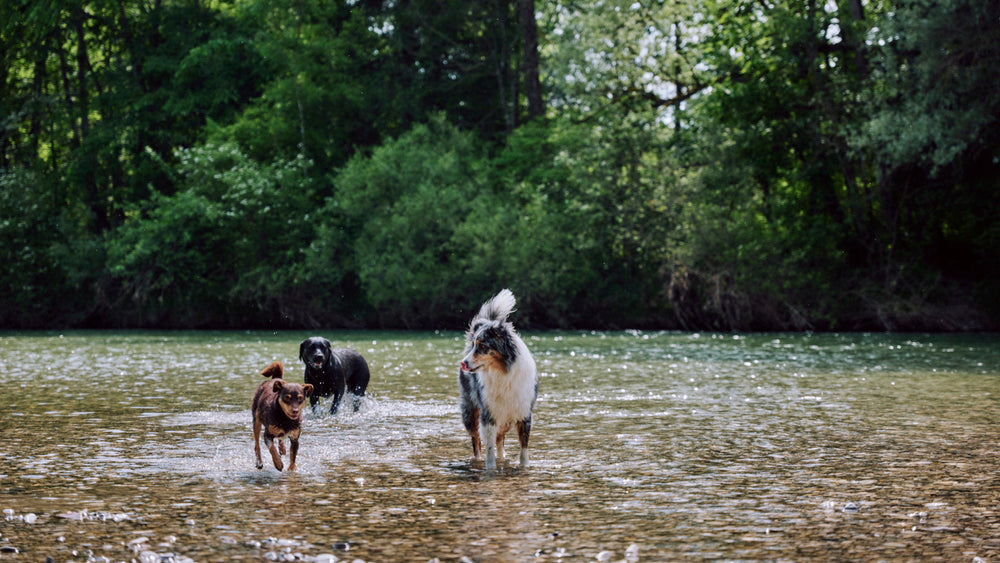
Nicht immer können sich unsere Hunde an heißen Tagen im kühlen Nass eine Abkühlung gönnen. Sofern kein Fluss oder See in der Nähe ist, kannst du ganz einfach ein Handtuch mit kaltem Wasser befeuchten. Viele Hunde lieben es und legen sich gerne auf die kalten Handtücher oder den kalten Boden, um den hohen Außentemperaturen entgegenzuwirken. Auch kühles - nicht kaltes - Wasser zum Trinken kann Abhilfe schaffen.
TIPP 7: HITZEFALLE AUTO – AUCH IM FRÜHLING!
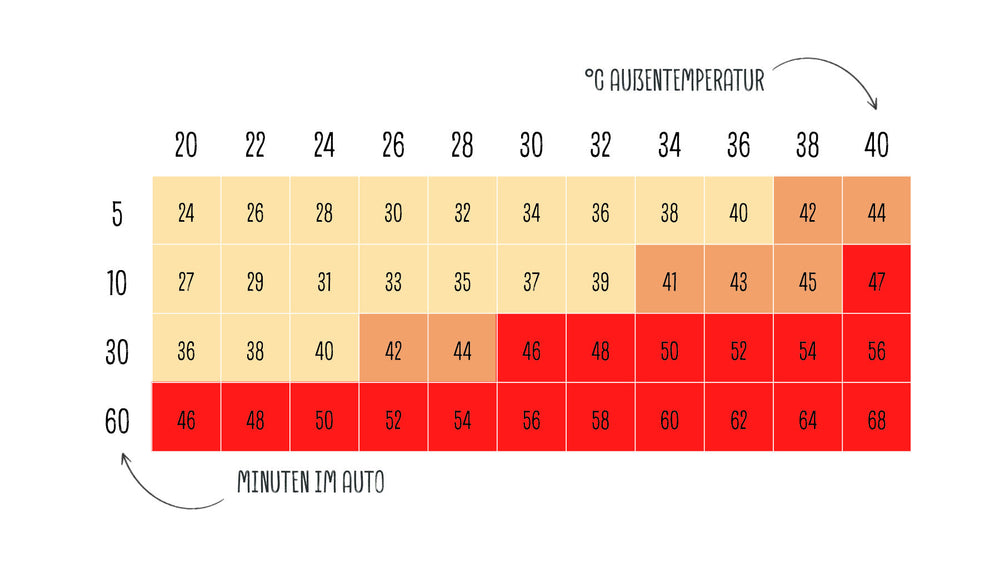
Mal eben schnell zum Einkaufen und den Hund im Auto lassen – dauert ja schließlich nur ein paar Minuten. Dass man im Sommer seine Vierbeiner nicht lange im Auto warten lassen sollte, wird mittlerweile stark kommuniziert. Doch selbst im Frühjahr können die vermeintlich ersten warmen Sonnenstrahlen zur Qual für deinen Hund im Auto werden. Bei einer Außentemperatur von 20°C kann die Temperatur im Auto bereits nach 30 Minuten auf 36°C ansteigen. Unterschätze daher nicht die Frühjahrssonne und sorge stets für eine hundefreundliche Umgebungstemperatur, falls dein Shoppingausflug mal etwas länger dauert. Noch besser und sorgt für Entspannung auf beiden Seiten: Lass deinen Vierbeiner zuhause oder in geeigneter Umgebung. So macht shoppen oder Einkaufen schließlich auch mehr Freude.
TIPP 8: VORSICHT HITZESCHLAG!
Da Hunde anders als wir Menschen nicht über die Haut schwitzen können, haben sie es bei hohen Temperaturen schwerer, einen kühlen Kopf zu behalten als wir Menschen. Sie können daher schnell einen Hitzeschlag bekommen. Die Anzeichen und Symptome eines Hitzeschlags richtig zu erkennen und daraufhin die nötigen Handlungsmaßnahmen zu ergreifen, kann im Ernstfall das Leben des Hundes retten.
Die folgenden Symptome können auf einen Hitzeschlag deuten:
- anhaltendes, starkes Hecheln
- evtl. vermehrter Speichelfluss
- Hautinnenseiten der Ohren sind stark gerötet und heiß
- oft ist der Hals langgestreckt und die Zunge hängt weit heraus
- Unruhe, Nervosität bis hin zur Panik
Die folgenden Symptome lassen einen finalen Hitzeschlag erkennen:
- flache und schnelle Atmung
- Herzrasen tritt auf
- die Schleimhäute unter der Zunge sind stark rot verfärbt
- der Hund wirkt teilnahmslos, abwesend und hat Gleichgewichtsstörungen
- Erbrechen und/oder blutiger Durchfall können ebenfalls Folgen von einem Hitzeschlag sein
Lassen sich die oben genannten Symptome beim Hund feststellen, ist ein schnelles Handeln erforderlich! Dazu solltest du:
- den Hund so schnell wie möglich in die Tierarztpraxis bringen und diese über deine nahende Ankunft informieren. Dadurch können dort bereits vor deinem Eintreffen die nötigen Vorbereitungen getroffen werden.
- den Hund an einen schattigen und kühlen Ort bringen.
- Pfoten und Beine zuerst mit kühlem Wasser abkühlen, erst dann Bauch, Rücken und Nacken.
- dem Hund kühles - nicht kaltes - Trinkwasser anbieten. Sofern der Hund nicht mehr bei Bewusstsein ist, versuche es ihm nicht einzuflößen. Lege ihn in diesem Fall in Seitenlage, überstrecke seinen Kopf nach vorne und oben und ziehe seine Zunge heraus.
- mit einem Fieberthermometer alle 5 Minuten die Körpertemperatur des Hundes kontrollieren. Diese liegt im Idealfall zwischen 37,5 und 39°C.
TIPP 9: KONDITIONSAUFBAU
Wenn sich dein Hund im Winter weniger bewegt hat, überanstrenge ihn jetzt nicht. Vor allem das Laufen am Fahrrad ist für die meisten Rassen nicht optimal. Schalte also im Frühjahr noch einen Gang zurück und wirf das Stöckchen nicht ganz so weit!
TIPP 10: HORMONE IM FRÜHJAHR
Wenn du einen Schürzenjäger hast, achte darauf, dass er Hündinnen nicht übermäßig belästigt und/ oder für Streit mit anderen Rüden sorgt. Denn die Frühlingssonne kurbelt nicht nur die Endorphinausschüttung der Hunde an! 😉
Viel Spaß und Frühlingsvergnügen wünscht
dein VEGDOG-Team
Valerie H.