
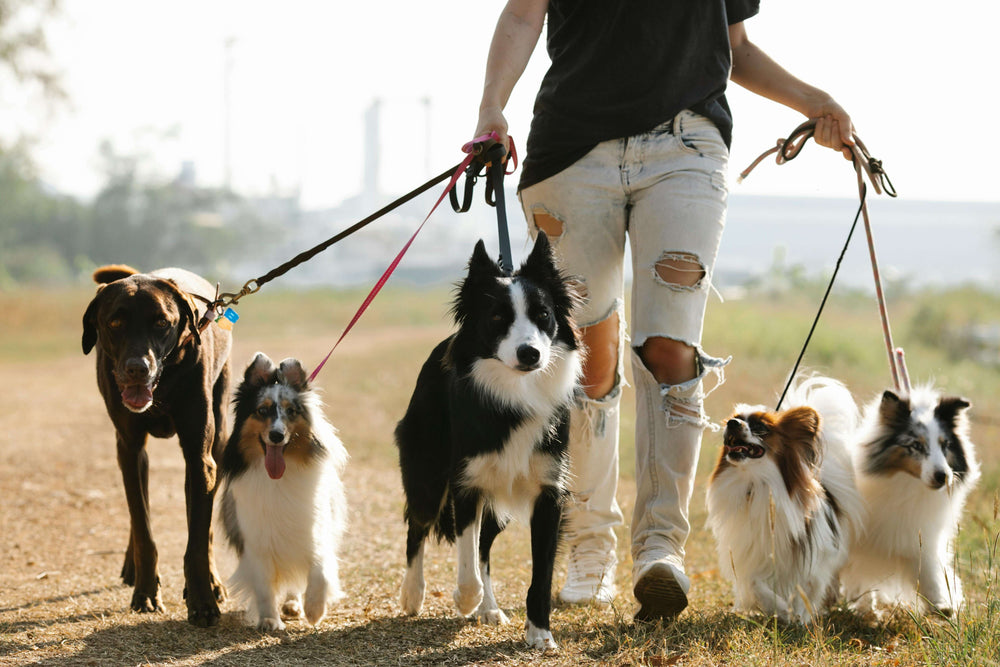
The 10 best tips for dog training
Good dog training is much more than simply repeating commands - it's a combination of trust, communication and fun. With the right tips and tricks, training becomes an enriching experience for you and your four-legged friend. It strengthens your bond, provides more security in everyday life and brings structure to shared routines. The following 10 tips will show you how you can make your training sessions together sustainable, fair and fun.
1. Mit der richtigen Belohnung zum gewünschten Verhalten
Lernen funktioniert am besten, wenn gewünschtes Verhalten belohnt wird. Positive Verstärkung durch Lob, Spiel oder kleine Belohnungen hilft deinem Hund, Zusammenhänge besser zu verstehen und motiviert zu bleiben. Gerade zu Beginn lohnt es sich, kleine Fortschritte zu belohnen – zum Beispiel mit den veganen Hundesnacks von VEGDOG. Unsere kalorienarmen Pops und gesunden Mobilities Minis eignen sich dabei besonders gut fürs Hundetraining. Selbstverständlich dürfen auch nicht unsere Beevys und Jerkeys fehlen – die unwiderstehlichen Jackpot-Snacks sind perfekt fürs Rückruftraining und besondere Trainingserfolge.
2. Trainingserfolge brauchen Zeit
Jeder Hund lernt in seinem eigenen Tempo – ganz gleich, ob es um einfache Übungen oder komplexe Kommandos geht. Ungeduld führt oft zu Frust, sowohl bei dir als auch bei deiner Fellnase. Deshalb ist es wichtig, ruhig zu bleiben und konsequent weiterzumachen. Auch Rückschritte sind ganz normal. Hab Geduld und Vertrauen – mit der Zeit werden sich Erfolge zeigen.
3. Lernen darf und sollte Spaß machen
Wiederholung ist wichtig – aber Abwechslung hält den Spaß am Hundetraining lebendig. Gestalte deine Einheiten spielerisch, kombiniere neue Übungen mit bekannten Elementen und wechsle gelegentlich den Trainingsort. Kleine Herausforderungen, die du mit Spiel oder Bewegung verbindest, fördern nicht nur die Konzentration, sondern steigern auch die Lernfreude deiner Fellnase.
4. Klare Kommunikation schafft Vertrauen
Dein Hund braucht Orientierung – keine Verwirrung. Klare Regeln, eine eindeutige Körpersprache und faire Erwartungen helfen ihm, sich sicher und verstanden zu fühlen. Je klarer und konsequenter du kommunizierst, desto leichter fällt es deinem Vierbeiner, sich an dir zu orientieren. Achte darauf, Kommandos deutlich zu geben und dein eigenes Verhalten im Einklang mit deinen Signalen zu halten. So entsteht Vertrauen – die beste Basis für jedes Hundetraining.
5. Die Grundkommandos müssen sitzen
Ein sicherer Alltag beginnt mit Sitz, Platz, Bleib und einem zuverlässigen Rückruf. Diese Grundlagen müssen regelmäßig geübt und gefestigt werden – am besten in kurzen, positiven Einheiten. So werden die Kommandos für deinen Hund selbstverständlich und bleiben auch in ablenkungsreichen Situationen abrufbar. Mit Geduld und der richtigen Motivation wird aus täglichem Training echte Alltagssicherheit.
6. Blickkontakt stärkt eure Bindung
„Schau“ ist ein wertvolles Signal, mit dem dein Hund auch in stressigen Momenten den Fokus auf dich richten kann. Der bewusste Blickkontakt gibt ihm Sicherheit, weil er weiß: Die Orientierung an dir lohnt sich. Gerade in herausfordernden Umgebungen ist das ein echter Gamechanger – und ganz nebenbei stärkt ihr dadurch eure Bindung.
7. Belohnung ist nicht gleich Freigabe
Ein häufig unterschätzter Teil des Hundetrainings ist das richtige Timing der Belohnung. Ein Leckerli bedeutet nicht automatisch „Du bist jetzt frei“, sondern ist Teil des Lernprozesses. Erst ein klares Freigabesignal zeigt deinem Hund, dass das Kommando beendet ist. Eine klare Trennung zwischen Belohnung und Freigabe hilft ihm, besser zu verstehen, was von ihm erwartet wird – und dauerhaft zuverlässig zu reagieren.
8. Ein Stopp-Signal kann Leben retten
Ein Notfallkommando wie „Stopp“ oder „Warte“ kann in brenzligen Situationen Leben retten. Ob dein Hund gerade rennt oder sich anderweitig entfernt – das Anhalten auf Signal ist eines der wichtigsten Kommandos. Besonders im Straßenverkehr und bei plötzlichen Gefahren oder Wildsichtungen kann ein zuverlässiger Stopp entscheidend sein. Trainiere dieses Signal frühzeitig und regelmäßig, damit es im Ernstfall wirklich sitzt.
9. Impulskontrolle – die Königsdisziplin im Hundetraining
Ob andere Hunde, Wildtiere, Fahrräder oder rollende Bälle – Reize lauern überall. Mit gezieltem Training zur Impulskontrolle lernt dein Hund, seine Reaktionen besser zu steuern und nicht jedem Impuls sofort nachzugeben. Das sorgt für mehr Ruhe beim Spaziergang und macht euren Alltag deutlich entspannter. Eine einfache Übung ist etwa das Warten auf ein Freigabesignal, selbst wenn ein offenes Leckerli verlockend vor ihm liegt. So lernt dein Hund, sich zurückzunehmen – auch wenn seine Instinkte etwas anderes sagen.
10. Zur Ruhe kommen kann man lernen
Nicht nur Action zählt – auch Entspannung will gelernt sein. Viele Hunde tun sich schwer damit, abzuschalten – vor allem in neuen oder reizintensiven Umgebungen. Mit gezielten Ruheübungen wie dem entspannten Liegen auf einer Decke oder kleinen Entspannungsritualen wie den VEGDOG Bedtime Cookies hilfst du deiner Fellnase, abzuschalten und innere Balance zu finden. So wird Ruhe zu einer verlässlichen Fähigkeit – nicht nur zu Hause, sondern auch unterwegs.