Share
 Carla
Carla Meine Mission bei VEGDOG ist, bei der Entwicklung von Produkten mitzuwirken, die
sowohl unsere geliebten Hunde mit allem versorgen, was sie benötigen, als auch einen Beitrag zum Tier- und Umweltschutz leisten.
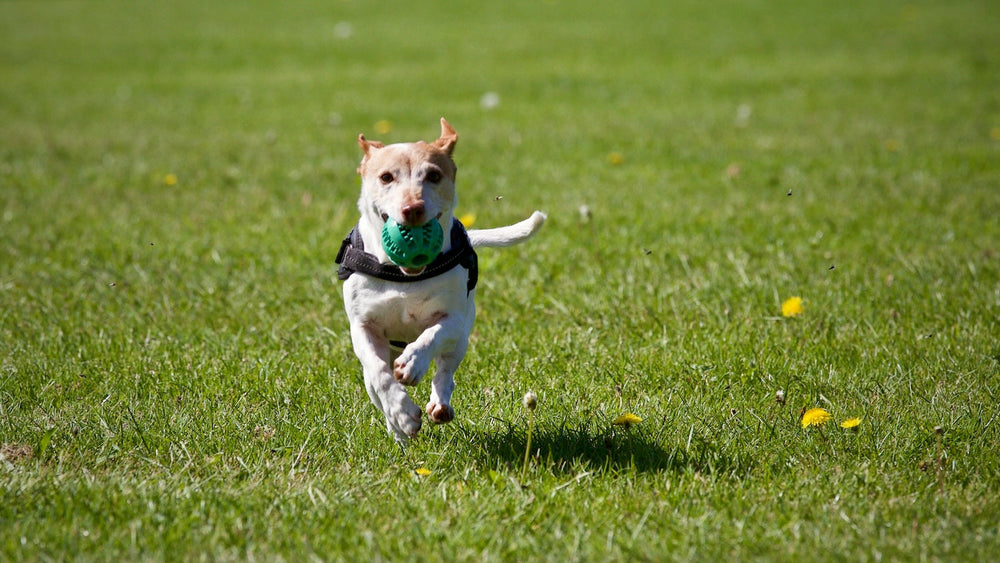
Dog encounters are an everyday challenge for many human-dog teams. While some four-legged friends approach their companions in an open and friendly manner, others react insecurely, excitedly or tensely - they bark, pull on the lead or stand rooted to the spot. Such situations can quickly become stressful for both sides. But with a little consideration, targeted training and a keen sense of your dog's body language, dog encounters can be made more relaxed. In our Dog 1×1, we show you how you can master such encounters calmly.
Ein respektvoller Umgang beginnt schon lange, bevor sich zwei Hunde begegnen. Halte beim Spaziergang ausreichend Abstand zu anderen Mensch-Hund-Teams und frage immer, ob ein Kontakt zwischen den Hunden erwünscht ist. So vermeidest du Missverständnisse und trägst zu einer angenehmen Stimmung bei. Wichtig ist, dass beide Seiten Rücksicht nehmen – nur so kann die Hundebegegnung für alle Beteiligten harmonisch verlaufen.
Wenn dir ein angeleinter Hund entgegenkommt, gehört auch dein Hund an die Leine – aus Rücksicht und zur Sicherheit aller. Du weißt nie, warum der andere Hund angeleint ist: Vielleicht ist er krank, im Training, ängstlich oder unverträglich mit Artgenossen. Indem du deinen Hund ebenfalls anleinst, zeigst du Verantwortungsbewusstsein und sorgst dafür, dass Hundebegegnungen kontrolliert und ohne Stress ablaufen können.
Nicht jeder freut sich über einen freudig hochspringenden Hund – viele empfinden das als unangenehm oder aufdringlich. Deshalb solltest du deinem Vierbeiner frühzeitig beibringen, dass Begrüßungen ruhig und mit allen Pfoten am Boden ablaufen. Mit etwas Training und konsequenten Regeln lassen sich die Luftsprünge deiner Fellnase zuverlässig vermeiden.
Sobald du andere Hunde, Jogger:innen, Radfahrer:innen oder Spaziergänger:innen siehst, solltest du deinen Hund frühzeitig zu dir nehmen. Führe ihn dabei am besten vom Reiz abgewandt, damit er sich besser auf dich konzentrieren kann. So gibst du ihm nicht nur Sicherheit, sondern übernimmst Verantwortung für die Situation. Nicht jeder Mensch oder Hund wünscht Kontakt – und das gilt es zu respektieren.
Ein zentrales Element jeder gelungenen Hundebegegnung ist das Lesen und Verstehen der Körpersprache. Erkennst du, wann dein Hund sich unsicher fühlt, aufgeregt ist oder lieber Abstand hätte, kannst du rechtzeitig reagieren. So kannst du Hundebegegnungen gelassen meistern und deinem Vierbeiner helfen, mit der Situation umzugehen. Körpersprache ist der Schlüssel zu einer erfolgreichen Kommunikation zwischen dir und deiner Fellnase.
Nicht nur Bewegung ist wichtig – auch Ruheübungen sollten Teil eures Spaziergangs sein. Bleibe beispielsweise an einer ruhigen Stelle stehen und gib deinem Hund die Gelegenheit, sich von selbst hinzusetzen oder hinzulegen. Auch das Warten, während du dich mit jemandem unterhältst, ist eine wertvolle Übung. Lernt dein Vierbeiner, in solchen Alltagssituationen zur Ruhe zu kommen, stärkt das seine Ausgeglichenheit und macht ihn insgesamt stressresistenter.
Auch wenn es gut gemeint ist: Einen fremden Hund solltest du niemals ohne die ausdrückliche Erlaubnis der Halterin oder des Halters füttern. Viele Hunde haben Unverträglichkeiten oder Allergien und sind daher auf spezielles Futter angewiesen. Ein vermeintlich harmloser Snack kann so schnell zu gesundheitlichen Problemen führen.
Wenn das Füttern erlaubt ist, greifst du am besten auf die hypoallergenen Hundeleckerlis von VEGDOG zurück. Diese sind dank ihrer veganen Rezeptur besonders gut verträglich – selbst für empfindliche Hunde.
Carla