Geeignete Lebensmittel für Hunde – Kohlenhydrate

Suitable foods for dogs - Carbohydrates

Although not essential, carbohydrates are an excellent source of energy for dogs. They consist of many sugar molecules chained together, which are divided into single sugars, disaccharides or polysaccharides depending on their size. For example, glucose belongs to the monosaccharides, while starch belongs to the polysaccharides, the complex carbohydrates.
Reading time: 5min
From: Lisa Walther
Carla SteffenChecked: Carla Steffen
Modified: 09.12.2024
Published: 26.04.2024

Here you can find out:

  • What exactly carbohydrates are
  • How our pets utilize carbohydrates
  • Whether it makes sense to feed cereals, for example
  • What you should bear in mind when feeding carbohydrates

The most important facts at a glance

  • Dogs can generally digest carbohydrates well.
  • Only the starch they contain cannot be directly utilized. Therefore, the carbohydrates should be cooked for a very long time to improve starch digestibility.
  • Suitable carbohydrate sources are: Potatoes, sweet potatoes, rice, pasta, millet and many more.

What are carbohydrates?

Carbohydrates are a non-essential but nevertheless excellent source of energy for dogs. Carbohydrates are a source of energy, they are rich in starch (60-80%), low in protein (approx. 7-12 %) and calcium, sometimes also low in crude fiber (depending on the husk or shell content). They consist of many sugar molecules chained together, which are divided into single, double or multiple sugars depending on their size. Simple sugars include glucose, for example, while complex carbohydrates include starch.

Digestibility: Can dogs digest carbohydrates?

The starch contained in cereals cannot usually be directly utilized by dogs. Therefore, pasta, rice & etc. should be processed before feeding, otherwise diarrhea may occur. Cooking cereals is a suitable method for breaking down starch. Please make sure that the types used are very softly cooked, al dente pasta is not suitable for dogs. It is best to plan a 10-minute longer cooking time than for yourself.
Another option is to use cereal flakes. This uses heat and pressure to improve starch digestibility. You can soak the flakes in about 3 times the amount of warm water. Oat flakes can also be fed without further treatment.

Are carbohydrates useful for dogs?

Grain has gotten a bad reputation in recent years. Manufacturers of grain-free food and breeders often claim that grain is a cheap filler and cannot be utilized by dogs because of their wolf ancestry. However, this claim is not true. Although it is true that wolves did not originally eat grain, our domestic dog has adapted to humans over several thousand years, both in terms of its behavior and its eating habits. They are now very capable of utilizing grain.

Carbohydrate-rich dog food is particularly recommended for active dogs, during pregnancy (energy supply for puppies via glucose) and during the suckling phase (lactate in the milk). However, adult dogs also benefit from carbohydrates, as this energy source also benefits the intestinal flora. In addition, certain diseases require a reduction in protein with increased carbohydrate intake, such as a kidney diet.

Which carbohydrate sources are suitable for dogs?

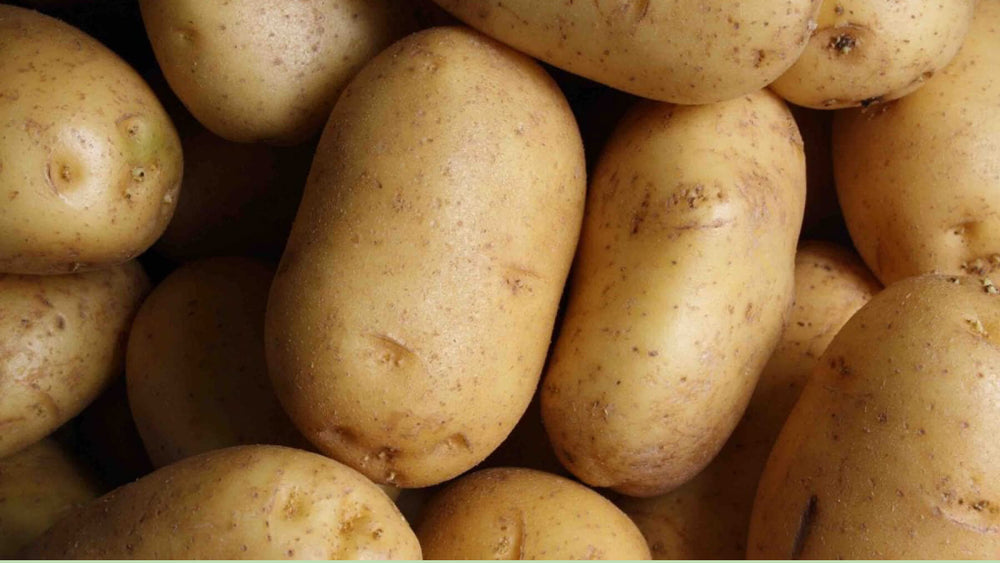
Potatoes are currently frequently used in dog nutrition. With potatoes, you should cut out sprouts and green parts. They should always be sufficiently cooked, as raw potatoes contain solanine, which is poisonous to dogs. When cooked, the poison loses its effect and the potato is therefore harmless to the dog. You should also pour away the cooking water. In addition to potatoes, you can also feed peeled and cooked sweet potatoes.

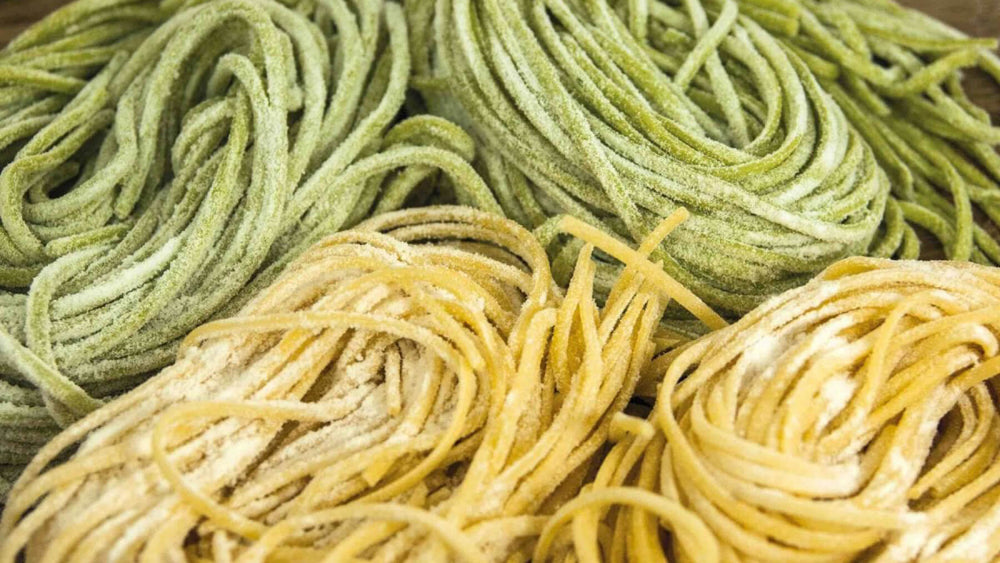
Of course, the carbohydrate sources most commonly used by humans are also suitable for dogs: Rice and pasta. Rice is often used for gastrointestinal problems as it is easy to digest and therefore well tolerated. The same applies to these carbohydrates: cook for a sufficient amount of time so that your dog doesn't get diarrhea.

Other healthy carbohydrates are millet, tapioca, oatmeal and quinoa. Barley or amaranth are also good sources of carbohydrates. Just try out what your dog likes best.

Do dogs tolerate the gluten contained in cereals?

Many dog owners are afraid of gluten, the gluten protein in cereals. They think that dogs are sensitive to it. However, this is rarely the case. Nevertheless, there are some dogs that develop gluten intolerance, with the Irish Setter being the most common. If you still want to avoid gluten in grains, the following carbohydrates are suitable: rice, millet, maize, amaranth, quinoa, (sweet) potatoes. If you are looking for a complete food, our gluten-free dog food may be just right for you and your furry friend!

This is what you should bear in mind when feeding carbohydrates

A When feeding carbohydrates, the following also applies: Only feed your wet or dry food in small quantities so that the nutrient ratio does not get mixed up. If you are cooking yourself, it is advisable to have your vet calculate a ration with appropriate nutritional supplements.

We hope we have given you a good overview. In Part 1 and Part 2 of our series "Suitable foods for dogs" you will find more information about fruit/vegetables and oils. If you have any further questions, please do not hesitate to contact us at tierarzt@vegdog.de .
Our top sellers

FAQ

Do dogs need carbohydrates?

A balanced dog diet should contain proteins, fats, vitamins and carbohydrates. The carbohydrates serve as a source of energy and support the intestinal flora.

how many carbohydrates do dogs need?

The energy requirements of dogs can vary greatly. Among other things, athletically active animals and pregnant and lactating bitches need more energy. They should therefore also be given a more energy-rich diet in the form of carbohydrates, proteins and fats.

what carbohydrates are dogs allowed to eat?

The following carbohydrate sources are particularly suitable for our four-legged friends: Potatoes, sweet potatoes, rice, pasta, millet, tapioca, oatmeal, quinoa, barley and amaranth.

Lisa Walther

I started my career at VEGDOG in 2015 as a veterinary specialist for vegan dog nutrition. Today, I advise numerous pet owners on all topics relating to the plant-based feeding of their pets. I also give specialist lectures to vets so that my colleagues become more open to this important topic.

Back to the blog