Peanuts: Good or harmful for dogs?
Erdnüsse für Hunde: Gesund oder gefährlich?
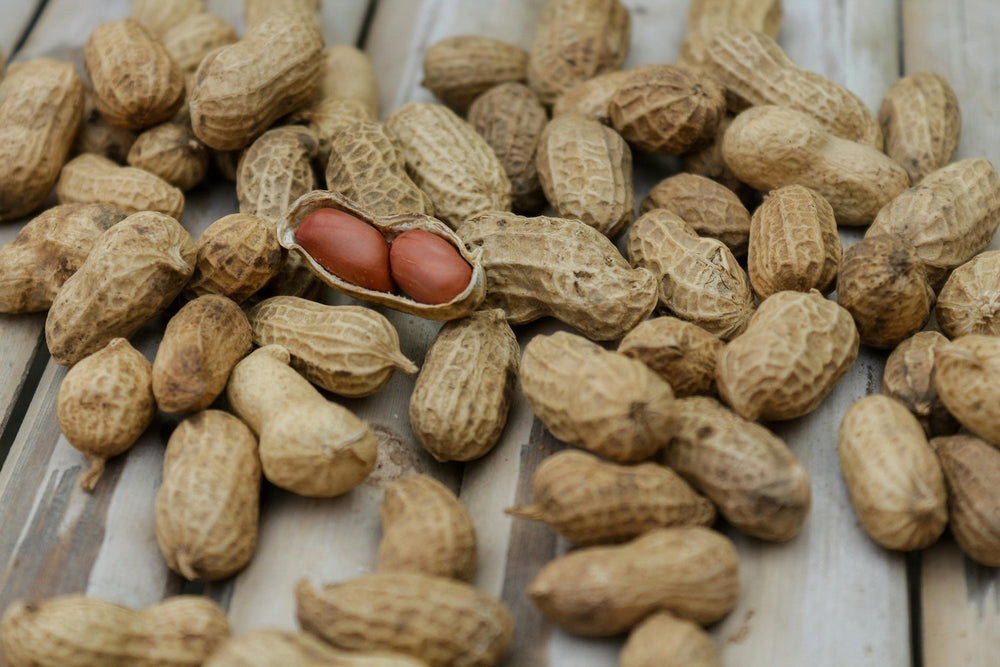
Erdnüsse sind für Hunde grundsätzlich nicht gefährlich und können in kleinen Mengen sogar einige wertvolle Nährstoffe liefern. Sie enthalten unter anderem pflanzliches Eiweiß, Vitamin E, verschiedene B-Vitamine sowie Mineralstoffe wie Magnesium, Phosphor und Niacin. Gleichzeitig sind sie aber auch sehr fett- und damit kalorienreich, weshalb sie sich eher als gelegentlicher Snack und nicht für die regelmäßige Fütterung eignen.
Während manche Hunde Erdnüsse gut vertragen, können sie bei sensiblen Tieren Verdauungsbeschwerden auslösen. Ob Erdnüsse für deinen Hund sinnvoll sind, hängt deshalb nicht nur von den enthaltenen Nährstoffen ab, sondern auch von der Menge, der Verarbeitung und der individuellen Verträglichkeit.
Mehr zum Thema Nüsse im Hundenapf erfährst du auch in unserem Blogbeitrag „Cashewkerne für Hunde“.
Darauf solltest du beim Füttern achten
Beim Füttern von Erdnüssen kommt es auf ein paar wichtige Details an. Denn nicht jede Variante ist für Hunde gleich gut geeignet. Welche Form infrage kommt und worauf du dabei achten solltest, schauen wir uns jetzt genauer an.
Gesalzene oder ungesalzene Erdnüsse
Ungesalzene Erdnüsse sind für Hunde die bessere Wahl. Gesalzene Varianten enthalten oft deutlich mehr Natrium und sind als Snack deshalb nicht sinnvoll. Einzelne gesalzene Erdnüsse sind meist kein Grund zur Panik, regelmäßig füttern solltest du sie aber nicht.
Rohe oder geröstete Variante
Sowohl rohe als auch trocken geröstete Erdnüsse können für Hunde infrage kommen, solange sie naturbelassen sind. Wichtig ist vor allem, dass sie weder gewürzt noch gezuckert oder anderweitig verarbeitet wurden. Aromatisierte Varianten sind für deinen Vierbeiner keine gute Wahl.
Mit oder ohne Schale
Erdnüsse solltest du deinem Hund besser ohne Schale geben. Die Schale ist schwer verdaulich und kann vor allem bei sensiblen Hunden zu Magen-Darm-Beschwerden führen. Außerdem steigt je nach Größe des Hundes das Risiko, dass sich dein Vierbeiner daran verschluckt.
Erdnussmus und gemahlene Erdnüsse
Auch Erdnussmus und gemahlene Erdnüsse sind nur in kleinen Mengen geeignet. Bei Erdnussmus solltest du immer auf die Zutatenliste achten, denn Zucker, Salz oder andere Zusätze haben darin nichts verloren. Wichtig ist außerdem, dass kein Xylit enthalten ist. Dieses ist stark giftig für Hunde. Je purer das Produkt ist, desto besser.
Erdnussflips
Erdnussflips sind für Hunde nicht geeignet. Sie sind stark verarbeitet und enthalten meist viel Salz, Fett und weitere Zutaten, die für deine Fellnase ungeeignet sind. Wenn dein Hund versehentlich mal einen einzelnen Flip frisst, ist das meist kein Problem, gezielt füttern solltest du ihn aber nicht.
Wie gut vertragen Hunde Erdnüsse?
Wie gut Hunde Erdnüsse vertragen, ist ganz individuell. Während manche Vierbeiner kleine Mengen problemlos fressen können, reagieren andere sensibler und können mit Verdauungsbeschwerden reagieren. Wenn dein Hund Erdnüsse zum ersten Mal bekommt, solltest du deshalb nur eine sehr kleine Menge füttern und danach beobachten, wie er darauf reagiert.
Für sensible Hunde sind Snacks mit klarer, gut verträglicher Rezeptur oft die bessere Wahl. Mit unseren VEGDOG Leckerlis findest du eine praktische Alternative für kleine Belohnungen im Alltag.
Wie viele Erdnüsse darf ein Hund fressen?
Wie viele Erdnüsse ein Hund fressen darf, hängt vor allem von seiner Größe, seinem Gewicht und seiner allgemeinen Ernährung ab. Da Erdnüsse sehr fett- und kalorienreich sind, sollten sie nur gelegentlich und in kleinen Mengen gefüttert werden. Für kleine Hunde reichen oft schon ein bis zwei Erdnüsse, bei größeren Hunden darf es etwas mehr sein. Wichtig ist aber, dass Erdnüsse immer nur ein Snack bleiben und nicht regelmäßig oder in großen Mengen im Napf landen.
Was tun, wenn deine Fellnase zu viele gefressen hat?
Hat deine Fellnase zu viele Erdnüsse gefressen, solltest du sie zunächst gut beobachten. Durch den hohen Fett- und Kaloriengehalt kann es zu Verdauungsbeschwerden wie Erbrechen, Durchfall oder Bauchschmerzen kommen, besonders wenn dein Hund empfindlich auf fettreiche Snacks reagiert. Zeigt dein Hund Symptome wie Erbrechen, starke Unruhe, Mattigkeit oder frisst er nicht mehr, solltest du eine Tierarztpraxis kontaktieren. Das gilt auch, wenn er eine sehr große Menge gefressen hat oder bereits gesundheitlich vorbelastet ist, da fettreiche Snacks den Magen-Darm-Trakt belasten können.