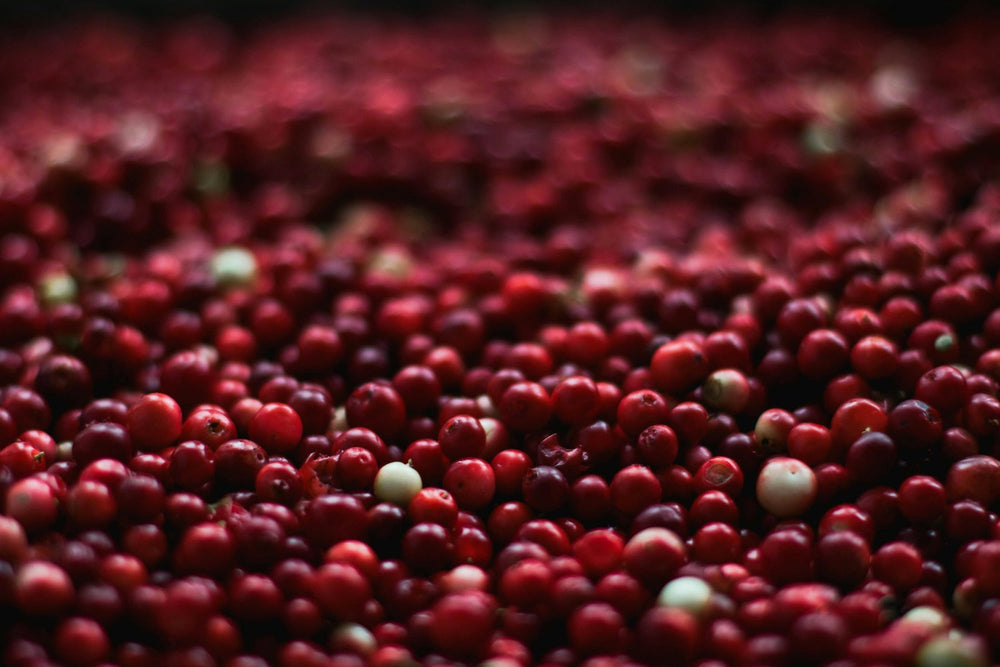
Feeding cranberries to dogs: healthy or poisonous?
The cranberry, also known as the large-fruited cranberry or craneberry, belongs to the blueberry family and is mainly found in Europe, Asia and North America. In Germany, it is often incorrectly referred to as the "cultivated cranberry", although it has a completely different taste to the cranberry. People have firmly integrated cranberries in various forms into their everyday lives: Dried, they are often found in trail mix or cereal, while in the US they play an important role in Thanksgiving festivities. But what about the tolerance of this heather plant for our four-legged friends?
The benefits of cranberries

Basically, if your furry friend likes the cranberry, you can feed it to them. The heather plant is a real vitamin bomb and can have a positive effect on bladder and urinary tract health. The proanthocyanidins contained in cranberries prevent bacteria that can cause urinary tract infections, for example, from adhering to the bladder wall. In addition to vitamins E, C and K, the antioxidants in cranberries can also have positive effects on the immune system. The rich amounts of potassium and manganese in this small berry can also promote growth and support bones.
As you can see, these small berries are real immune boosters for our furry friends.
It's the quantity that counts: the right dosage for your dog.

As with almost everything, the same applies to cranberries: they should be fed in moderation and not in large quantities. The small red berries have a high acid content, so it is advisable to only give a few berries. Excessive consumption of cranberries can lead to digestive problems and stomach pain in the short term. Depending on your dog's size and previous illness, it is therefore advisable to feed a maximum of one handful of cranberries per day. Small dog breeds, on the other hand, should only be given one or two cranberries a day.
Cranberry juice
When feeding cranberry juice to your dog, it is particularly important to look out for a special variant for dogs. Conventional cranberry juices for humans often contain added sugar, salt or spices, which can cause diarrhea in dogs. In addition, the amount should be carefully dosed, as the acids in cranberry juice can cause gastrointestinal problems and excessive consumption can lead to kidney stones . On the other hand, cranberry juice is a good supplementary food, as your furry friend won't be able to eliminate the individual berries from their food.
Fresh cranberries
Our four-legged friends often avoid raw cranberries as they have a high acid content and are too sour for our furry friends. If the small berries are too sour for your dog, you can switch to dried cranberries.
Dried cranberries
Dried cranberries often taste a little sweeter than raw cranberries, which makes them more popular with many four-legged friends. Be careful not to use cranberries from trail mix and check that there are no added sugars so that your furry friend does not suffer any gastrointestinal problems.
Frequently asked questions (FAQ)
Yes, even puppies can eat cranberries. However, as the berries are very sour, they should be given in very small quantities, as young dogs in particular can react sensitively to large quantities.
In the past, cranberries were harvested by hand. Nowadays, there are two different methods of harvesting. In dry harvesting, mechanical picking machines are used and the berries are collected in a canvas bag. In wet harvesting, the bogs are flooded until they are under water. The next day, swirls of water loosen the berries from the bushes, and air pockets in the berries cause them to float to the surface.
Cranberry bushes flower from May to August, so that they are ripe and can be harvested from September.