MY DOG EATS GRASS - NOW WHAT?
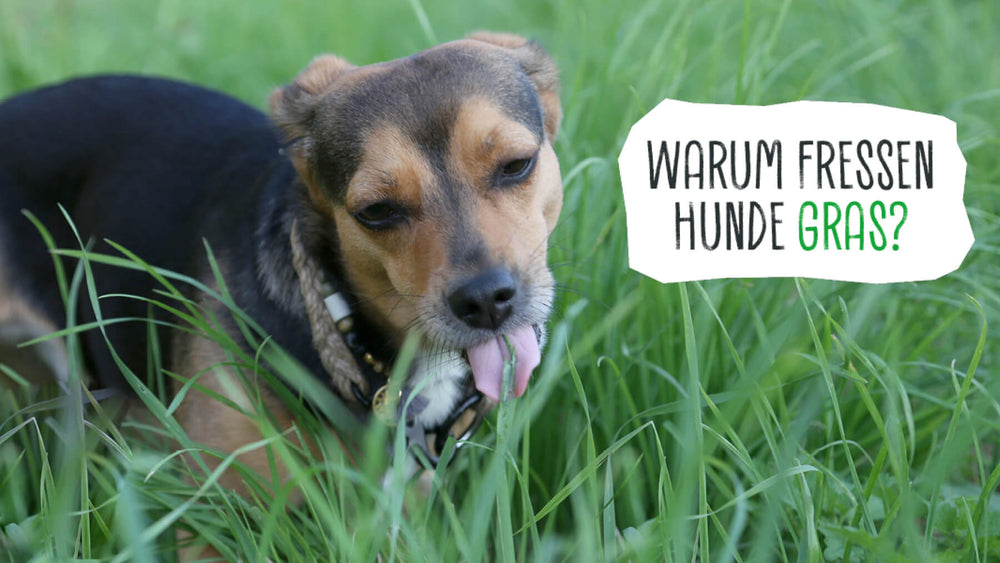
The dog sits comfortably in the meadow and eats grass with relish. More like a cow than a dog. A widespread behavior in dogs, but why? How much grass eating is still normal and when should you take your furry friend to the vet? We'll tell you.
From: Alena Thielert
Checked: Carla Steffen
Modified: 23.10.2025
Published: 23.10.2025
Why do dogs eat grass?

In spring , dogs may be interested in the fresh grass. It looks so tasty, they just have to try it. However, this interest usually fades after a short time. For some dogs, eating grass also has a calming effect, especially in stressful situations. What meditation is for us, "grazing" is for your dog. Dogs that feel stressed or uncomfortable sometimes resort to this behavior to distract themselves and relax. But it can also be used to bridge boredom.
Health reasons for grass eating in dogs

If your dog regularly eats grass, this may be due to stomach problems - e.g. gastritis (inflammation of the stomach lining), reflux (heartburn) or so-called bilious vomiting syndrome (vomiting of bile on an empty stomach). Stress or an incorrect distribution of macronutrients (proteins, carbohydrates, fats) can be the culprit here. Too long breaks in feeding due to night-time rest can also lead to these conditions.
It is also possible that your dog is nauseous or reacts to incompatible food ingredients. If this is the case, your dog will try to induce vomiting by eating grass to get rid of the incompatible ingredients.
Pay attention to your pet's symptoms
Dogs eat grass for a variety of reasons. While in some cases it is harmless, it can also be an indication of health problems. Accompanying symptoms such as vomiting, diarrhea or restlessness should therefore be taken seriously.
Does your dog eat grass and vomit?
If your dog eats grass and then vomits white mucus, this could indicate nausea or stomach problems . In such cases, dogs often eat grass to vomit and empty their stomachs. If this happens occasionally, it is usually harmless. However, if the grass eating and vomiting occurs repeatedly and is accompanied by other symptoms such as diarrhea and lethargy, you should visit a veterinary practice.
Grass eating and diarrhea
Does your dog eat grass and have diarrhea? This may indicate a gastrointestinal infection. This should subside within a few days. Ideally, you should support your furry friend with a light diet during this time to relieve the digestive system. However, if the diarrhea lasts longer and other symptoms occur, a worm infestation could also be the cause. In this case, it is important to consult a vet as soon as possible.
My dog eats grass and is restless
Sodburn or stomach acidity can cause your dog to eat grass and be restless at the same time. The restlessness often arises because the dog feels uncomfortable. Eating grass can help to calm the stomach and alleviate the discomfort. However, stress can also play a role, as dogs often resort to this jumping behavior in uncomfortable situations.
Dog eats soil and grass
Some dogs eat soil or grass out of sheer curiosity. In other cases, this is an attempt to alleviate stomach problems. However, if dogs regularly ingest things that are not actually edible, this can also indicate boredom, stress or a nutritional deficiency. In such cases, you should seek veterinary advice.

Can eating grass be dangerous?
Eating grass can be problematic for dogs if they become infected with lungworms. These parasites live partly in the dog's lungs and are transmitted via snails. When your dog eats grass, there may be tiny snails on it, through which the worm larvae enter the dog's intestines. From there, they migrate to the lungs, where they can develop and cause damage to the lung tissue.
Signs of a lungworm infestation include coughing, fever, reduced performance and sometimes nosebleeds. In severe cases, neurological disorders and cardiovascular problems can also occur. As treatment requires special medication, it is important to consult a vet if you suspect an infestation. If left untreated, infestation with lungworms could even be fatal.
What to do if your dog eats grass?
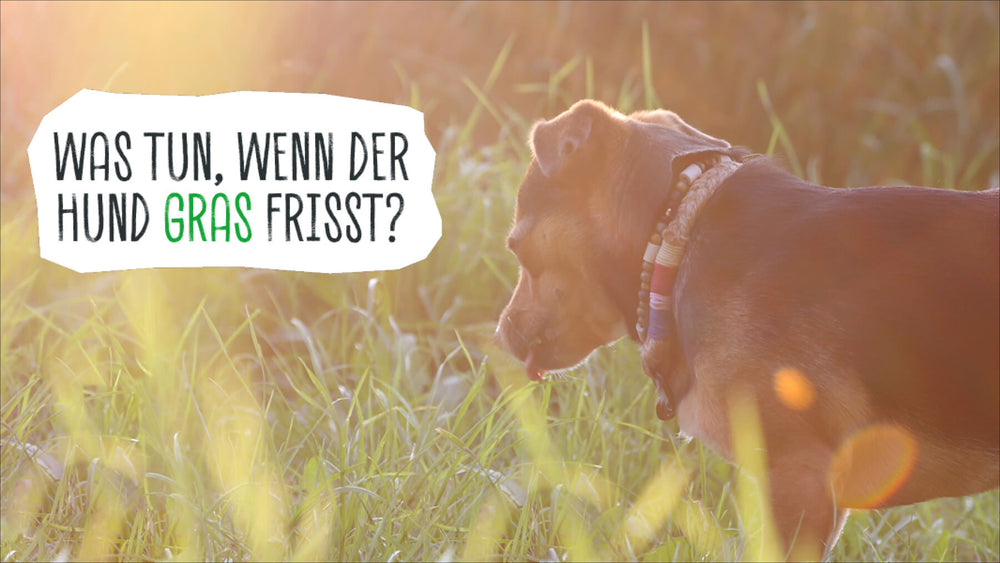
So what should you do if your dog "eats grass"? Under no circumstances should you scold him. If he regularly eats grass, you should take him to your trusted veterinary practice and have him tested for possible intolerances. The result of the examination may be that you need to adjust the food: the feeding times, the intervals, the distribution of macronutrients or the elimination of incompatible ingredients. In general, you should always make sure to keep your pet's stress level as low as possible.
If your four-legged friend suffers from intolerances or does not get the nutrients it needs, we can recommend
Conclusion: Can dogs eat grass?
In principle, it is not harmful for dogs to eat grass occasionally. It is a widespread behavior that is harmless in many cases and can even have a calming effect. As long as your dog doesn't show any health problems, such as repeated vomiting, diarrhea or restlessness, there's nothing to worry about. However, if grass eating occurs more frequently or is associated with other symptoms, it may indicate health problems such as stomach problems or even parasite infestation. In such cases, it is advisable to consult a vet to clarify the exact cause.