 Valerie H.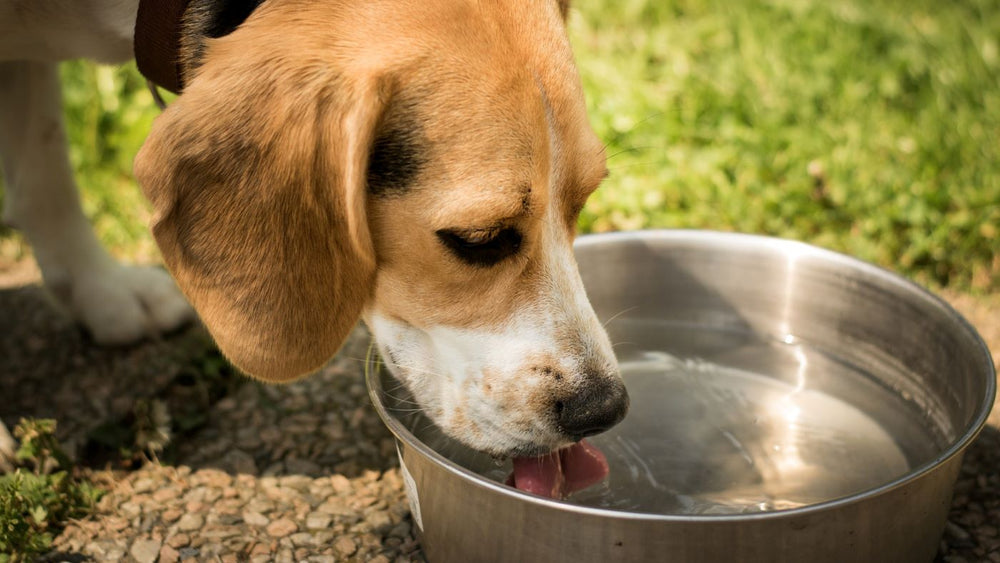
Change of diet for dogs with chronic kidney disease (CNE)
If your dog has chronic kidney disease, in the vast majority of cases the vet will advise you to switch their food to a kidney diet . CNE is a slow but inexorable decline in kidney function over months and years. Unfortunately, this is incurable.
 From: Valerie Henssen
 Checked: Veronika
Modified: 01.10.2024
Published: 11.11.2019
- ...preserve the still-functioning kidney tissue for as long as possible and have a positive influence on the disease.
- ...optimize your dog's quality of life.
- ...relieve symptoms.
- ...help your dog to live well with the disease for years to come.
The kidney - a miracle organ
The kidneys perform numerous vital tasks in the organism. In a healthy state, they are very efficient and can compensate for years of dysfunction. What is common is that 70% of the kidney tissue is already permanently damaged before noticeable symptoms occur. Once this has happened, all the toxins that the kidneys can no longer excrete accumulate in the body, further destroying the kidney tissue.
An early diagnosis and immediate and lifelong therapy often leads to a slowing down of the course of the disease.
This is why it is all the more important to have regular kidney checks (blood count, urine values, ultrasound if necessary) at the vet from the age of 5 at the latest.at the vet, even if the dog does not yet show any symptoms*.
*In dog breeds with ahereditary predispositionto developing CNE, kidney checks should be started earlier.
What is the function of the kidneys in dogs?
Your dog's biggest filtering systemis its two kidneys.
They have a variety of tasks in the body:
- Cleaning the bloodof toxins and waste products, especially the breakdown products of protein metabolism in the so-called nephrons (renal corpuscles). Dogs have an incredible 180,000 - 400 nephrons per kidney.000 of these filters
- regulate blood pressure, fluid, Electrolyte and acid-base Balance
- urine production
- release of certainhormones
- biosynthesis of erythropoietinto form red blood cells
Causes of CNE in dogs
Congenital kidney damage
Breed predisposition:Dalmatian, German Shepherd, Cocker Spaniel, Poodle, Bernese Mountain Dog, Beagle, Lhasa Apso, Samoaeden, Rottweiler, Doberman, Chow Chow or Golden Retriever and all terrier breeds such asz.B. Yorkshire Terriers have a genetic predisposition to kidney problems
Medication:Long-term medication can be the trigger for a CNE
Age:The filtering capacity of the kidneys decreases with age
Feeding:Too high a protein or Phosphorus concentrations in the feed can cause further problems in dogs that already have kidney problems
Diseases:Infections, diabetes, infectious diseases such as leptospirosis, Lyme disease, leishmaniasis, uterine suppuration, diseases of the urinary tract (such as the bladder and ureter), kidney stones, kidney cysts, tumors
Traumatic influences:Injury or temporary poor blood flow to the kidneys caused by an accident
Environment:Chemicals and toxins that can lead to kidney damage
Symptoms of CNE
One of the easiest signs to recognize is probably frequent drinking and the associated frequent urination.
As the disease progresses, toxins accumulate in the blood (azotemia),d.hin the blood there are increased concentrations of urea, creatinine or other nitrogenous substances, which in turn leads to intoxication of the whole organism and a variety of symptoms.
Only in the advanced stage of the disease do further symptoms appear
Increased drinking and urination
Unwillingness to eat, possibly with weight loss
lack of energy, listlessness, weakness
urine-like bad breath, pale mucous membranes
inflammation of the mouth and throat
inflammation of the gastric mucosa
recurrent diarrhea and/or vomiting
dull coat
susceptibility to disease, frequent infections
Hypertension
Diagnosis - which examinations are necessary?
Your vet will first carry out a thoroughgeneral examination with blood pressure measurementon your dog. This is followed by further examinations to determine whether and to what extent your dog's kidneys are affected:
- Blood analysis: Creatinine and urea levels are elevated, as these waste products can no longer be sufficiently filtered out of the blood due to impaired kidney function. The sodium and phosphorus levelsalso provide information about the degree of damage. The biomarkerSDMA(symmetric dimethylarginine) helps to detect CNE at an earlier stage.
- Urine examination: Blood, protein and sugar levelsprovide information about kidney function and the severity of the disease
- X-ray or ultrasound:Changes in the structure, shape and position of the kidneys become visible
What does the therapy look like and what does all this have to do with the diet?
For long-term successful treatment, it is crucial to have the therapyregularly monitoredby your vet.
- Medical therapy:Helps to relieve the kidneys, alleviates the symptoms, slows down the progression of the disease and curbs the disorders of the fluid, electrolyte, vitamin and mineral balance as well as the acid-base balance
- Special kidney diet: Decisive are a reduced phosphorus and protein content , with high protein quality, thepalatabilityof the food and thecoverage of the energy and nutrient requirements
- sufficient drinking quantity:Your dog with kidney disease must always have enough water availableday and night. He can no longer concentrate his urine sufficiently and therefore loses too much fluid. If it cannot compensate for this loss of fluid, there is a risk of life-threatening dehydration.
- CNE-triggering diseases(see causes)avoid and treat
What is the special kidney diet for your dog with CNE?
IMPORTANT: The kidney diet and the prescribed medications must always be adjusted to your dog'scurrent blood values.
In particular, the food change should be implementedearly on, not only when serious clinical symptoms occur.
Reduced protein content with high protein quality
protein is broken down into urea and excreted via the kidneys. The aim of a kidney diet is to reduce the accumulation of urea in the blood and at the same time provide your dog with enough protein . To ensure that sufficient essential amino acids are available for healthy cell regeneration, the proteins used should be highly digestible (less toxin formation) and have a high protein quality.
Plant protein can also be a good alternative for CNE, provided it has been optimally digested. A suitable feed plan should be drawn up for this by a veterinary nutritionist.
Reduced phosphorus content, possibly also sodium content. sodium content
There are two ways to reduce the phosphorus content of the feed:
- Use of a low-phosphate feed
- Use of a phosphate binder, whereby excess phosphate is bound in the intestine and then excreted in the feces
Your veterinarian will decide which is more appropriate in your case.
Bones, bone meal, offal, yeast or whey have a high phosphorus content and are unfortunately taboo for CNE dogs.
Since sodium excretion is also impaired in CNE, the sodium content may also need to be reduced. You can achieve thisz.Bby omitting salty food components. Please discuss this with your vet beforehand. Based on the blood results, he will decide whether low-sodium food is necessary.
Reduced phosphorus content, possibly also sodium content
Due to the increased excretion of water-soluble vitamins in CNE, you should ensure an adequate supply of vitamins and trace elements andsupply of B vitamins, vitamin D, possibly potassium and iron.
As the accumulation of toxins affects your dog's sense of taste and smell and the appetite is often reduced as a result, you should feed particularlypalatable food with a high energy content.
2-3 meals throughout the day relieve the metabolism and are advisable for CNE. Don't forget yourtreats and chews! They are part of the renal diet and may even have to be omitted. With the right immediate measures, your dog can lead a good and happy life even with CNE. Lots of love, attention, tasty food and good dog buddies will make everyday life much easier for your dog with such a serious illness.
We have summarized the most important points you can use to help your dog here:
General tips for dogs with chronic kidney disease:
- Have your dog's condition regularly monitored by your vet
- Avoid stressful situations for your dog
- Always discuss medication with your vet so as not to cause a worsening of renal perfusion
- Switch their food to a renal diet early on, not only when severe clinical symptoms appear
- Your VEGDOG- Team
A change of diet should always be discussed with a vet. If you have any questions about this disease, you are welcome to contact our vets attierarzt@vegdog.de
Valerie H.