Share
 Carla
Carla Meine Mission bei VEGDOG ist, bei der Entwicklung von Produkten mitzuwirken, die
sowohl unsere geliebten Hunde mit allem versorgen, was sie benötigen, als auch einen Beitrag zum Tier- und Umweltschutz leisten.
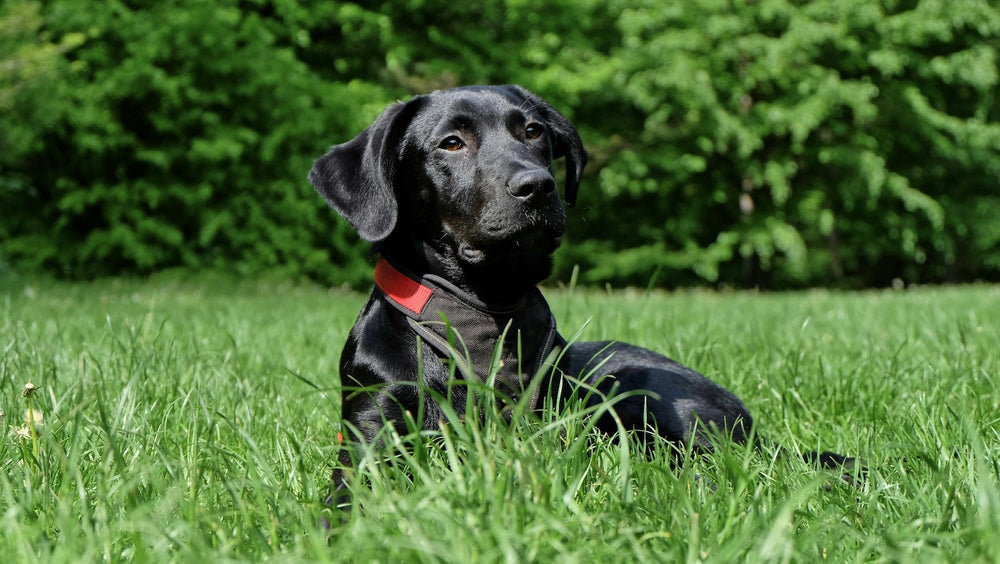
Immer mehr Hunde leiden unter Allergien. Diese können sich auf vielfältige Weise zeigen und das Leben deines Vierbeiners stark beeinträchtigen. Umso wichtiger ist es, dass du die Symptome frühzeitig erkennst. Worauf Hunde allergisch reagieren und welche Anzeichen auf eine Allergie hindeuten können, verraten wir dir im Folgenden. Zudem erfährst du mehr über die Diagnose und geeignete Behandlungsmöglichkeiten
Bei einer Allergie handelt es sich um eine Überreaktion des Immunsystems. Es erkennt harmlose Substanzen fälschlicherweise als Bedrohung und reagiert mit einer Abwehrreaktion, die zu unterschiedlichen Symptomen führen kann. Die Substanzen, die eine solche Immunreaktion verursachen, werden auch Allergene genannt. Damit eine Allergie entsteht, muss der Hund wiederholt oder über einen längeren Zeitraum mit dem Allergen in Kontakt gekommen sein. Eine Allergie kann jeder Hund entwickeln – ganz unabhängig von Alter und Rasse.
Allergien beim Hund können durch eine Vielzahl von Faktoren ausgelöst werden. Im Folgenden stellen wir dir die häufigsten Arten von Allergien vor, die bei Hunden auftreten können:
Bei einer Futtermittelallergie reagiert das Immunsystem des Hundes auf bestimmte Bestandteile des Futters. Am häufigsten sind dabei Allergien gegen Rind (34 %), Huhn (15 %) und Lamm (14,5 %) sowie Milchprodukte (17 %) und Weizen (13 %). Grundsätzlich können Hunde jedoch auf nahezu jeden Inhaltsstoff allergisch reagieren. In manchen Fällen liegt die Ursache jedoch nicht im Futter selbst, sondern in den Futtermilben, die sich im Trockenfutter ansiedeln können.
Die Flohspeichelallergie gehört zu den häufigsten Allergien bei Hunden. Betroffene Hunde reagieren dabei empfindlich auf bestimmte Proteine im Flohspeichel. Sobald ein Floh beißt, wird Speichel auf die Haut des Hundes übertragen, was eine allergische Reaktion auslöst. Schon ein einziger Flohbiss kann Symptome hervorrufen. Vor allem bei feuchtwarmem Wetter ist Vorsicht geboten, da die Parasiten hier besonders aktiv sind.
Bei einer Umweltallergie reagiert das Immunsystem des Hundes auf eigentlich harmlose Stoffe in seiner Umgebung. Dabei kann es sich um Pollen, Gräser, Hausstaub, Hausstaubmilben oder Schimmelpilzsporen handeln. Auch Chemikalien, die beispielsweise beim Putzen verwendet werden, können eine solche Allergie auslösen. Anders als bei Menschen, die oft mit einer Schnupfennase und tränenden Augen kämpfen, leiden Hunde häufig unter Juckreiz und Hautentzündungen. Diese Symptome treten oft saisonal auf, wenn die entsprechenden Allergene vermehrt in der Luft sind.
Hunde mit einer Kontaktallergie reagieren allergisch auf bestimmte Substanzen, die direkt mit ihrer Haut in Berührung kommen. Oft werden diese Reaktionen durch Antifloh- und Zeckenhalsbänder hervorgerufen, die Insektizide, Akarizide oder pflanzliche Essenzen wie Neemöl enthalten. Doch auch scheinbar harmlose Dinge wie Gummispielzeuge oder Metallnäpfe können eine Kontaktallergie auslösen.
Die Symptome einer Allergie können bei Hunden sehr unterschiedlich sein und sich auf verschiedene Bereiche des Körpers auswirken. Häufige Anzeichen sind:
Solltest du bei deinem Hund diese oder ähnliche Symptome feststellen, ist ein tierärztlicher Besuch unerlässlich. Nur eine professionelle Diagnose kann klären, ob es sich um eine Allergie handelt und wie diese am besten behandelt werden kann.
Um eine Allergie beim Hund zu diagnostizieren, wird der Tierarzt oder die Tierärztin zunächst eine ausführliche Anamnese durchführen und Fragen zu den Symptomen, der Ernährung und dem Umfeld deines Vierbeiners stellen. Anschließend werden verschiedene Tests durchgeführt, um den genauen Auslöser der Allergie zu ermitteln:
Erfahrungen aus der tiermedizinischen Praxis zeigen, dass weder Bluttests noch Intrakutantests allein ausreichen, um den Allergiestatus eines Hundes zuverlässig zu bestimmen. Eine Kombination verschiedener Methoden ist daher unverzichtbar. Eine genaue Diagnose ist entscheidend, um die richtige Behandlung zu finden und deiner Fellnase zu helfen.
Die Behandlung der Allergie bei Hunden ist abhängig von der Art der Allergie und dem jeweiligen Auslöser. Um deinen vierbeinigen Freund adäquat behandeln zu können, muss also zunächst das Allergen identifiziert sein. Ist dies nicht der Fall, kann der Tierarzt oder die Tierärztin zunächst nur die akuten Beschwerden deines Hundes mithilfe von Medikamenten lindern. Hierbei werden vor allem Immunsuppressiva, antiallergische und juckreizstillende Mittel verschrieben. Sobald jedoch der Auslöser der Allergie ermittelt wurde, ist Vermeidung die beste Medizin.
Bei einer Futtermittelallergie ist es entscheidend, den allergieauslösenden Futterbestandteil konsequent zu vermeiden. Eine gezielte Futterumstellung ist daher unverzichtbar. Wichtig ist, ein Futter zu wählen, das frei von dem entsprechenden Allergen ist. Am besten eignet sich dabei hypoallergenes Hundefutter, das speziell auf die Bedürfnisse allergischer Hunde abgestimmt ist. Bei VEGDOG findest du veganes Nass- und Trockenfutter, das die Hauptallergene des Hundes ausschließt und daher besonders gut verträglich ist.
Eine Flohbissallergie lässt sich am besten mit einer gründlichen Flohprophylaxe behandeln. Hierfür eignen sich antiparasitäre Medikamente oder Spot-on-Präparate. Auch eine ausführliche Fellkontrolle ist unerlässlich. Solltest du Flöhe auf deinem Vierbeiner bemerken, können auch ein Flohkamm sowie ein spezielles Flohshampoo helfen, die Parasiten wieder loszuwerden.
Für Hunde mit einer Umweltallergie kann eine Desensibilisierung in Betracht gezogen werden, um die Symptome der Allergie dauerhaft zu verringern. Hierbei erhält der Hund schrittweise eine steigende Menge des Allergens, um das Immunsystem daran zu gewöhnen und eine Toleranz aufzubauen. Diese Form der Behandlung hat sich vor allem bei Pollenallergien bewährt.
Kontaktallergien lassen sich am besten behandeln, indem der Kontakt mit dem auslösenden Stoff konsequent vermieden wird.
Wichtig ist, dass du die Behandlungsempfehlungen des Tierarztes oder der Tierärztin befolgst und regelmäßig Kontrolltermine wahrnimmst, um die Allergie optimal in den Griff zu bekommen. Mit der richtigen Unterstützung kann dein Hund trotz Allergie ein gesundes und glückliches Leben führen.
Carla